
INTRODUCTION
Purchasing a diamond is more than choosing the one that sparkles the most. A beautiful stone should also meet quality standards and offer value for the price. Since diamonds are often bought for life’s most meaningful occasions, taking a few extra steps before making a purchase can prevent costly mistakes. These practical tips will help you verify a diamond with greater confidence.
Adding a reliable source of information before you start shopping can make the entire buying process much easier. Reading a comprehensive Diamond Making Major Purchase Guide allows you to understand what to look for in a quality diamond, how grading reports work, and which questions to ask a jeweller before committing to a purchase. Having this knowledge beforehand helps you compare stones more effectively, recognize fair pricing, and avoid common mistakes that can affect the long-term value of your investment.
DO YOUR RESEARCH BEFORE VISITING A JEWELLER
A little preparation goes a long way. Familiarize yourself with the basics of diamond grading, pricing, and certification before entering a jewellery store. Understanding common terminology will make it easier to ask informed questions and evaluate the jeweller’s recommendations.
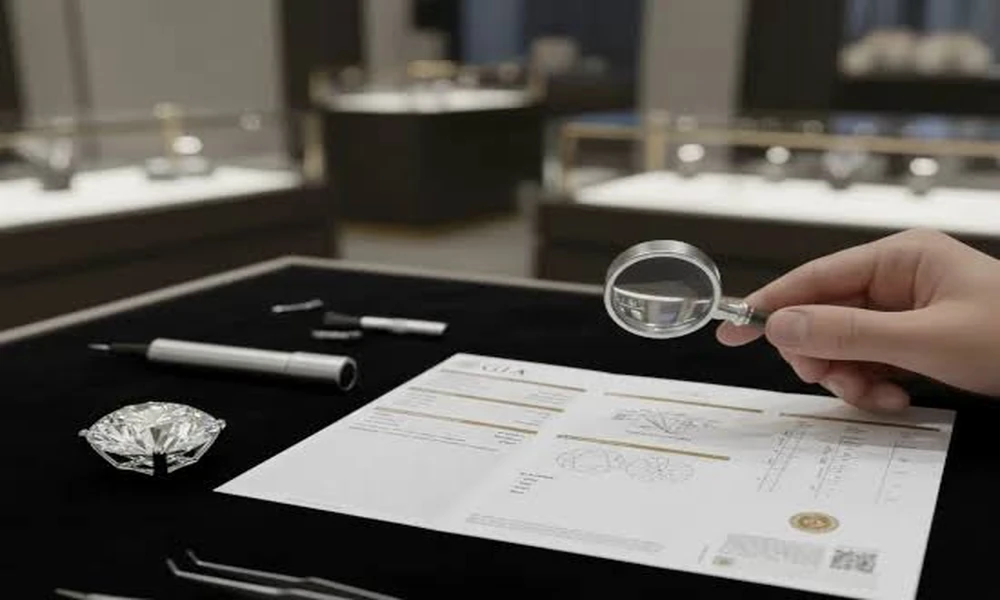
ALWAYS REQUEST A GRADING REPORT
Never purchase a high-value diamond without an independent grading report. This document provides detailed information about the stone’s cut, colour, clarity, and carat weight. It also serves as an important reference for future insurance, resale, or upgrades.
EXAMINE THE DIAMOND CAREFULLY
Take time to examine the diamond instead of making a speedy choice. View it from various perspectives and under different lighting circumstances. A diamond that looks attractive in bright showroom lighting should also maintain its beauty in natural daylight and normal indoor environments.
COMPARE MORE THAN ONE OPTION
Avoid selecting the first diamond you see. Comparing multiple stones with similar specifications helps you recognize differences in brilliance, proportions, and overall appearance. Even diamonds with comparable grades can look noticeably different when viewed side by side.
ASK QUESTIONS ABOUT THE STONE
A trustworthy jeweller should be willing to explain the diamond’s characteristics without hesitation. Ask about its origin, certification, treatments, and maintenance requirements. Clear and honest answers demonstrate transparency and help you make a more informed decision.
VERIFY THE RETURN AND EXCHANGE POLICY
Before completing your purchase, understand the store’s return, exchange, and upgrade policies. Having these details in writing provides peace of mind if you decide to make changes later or discover an issue after the purchase.
CONSIDER YOUR BUDGET CAREFULLY
It is easy to become distracted by larger or more expensive diamonds. Establish a realistic budget before shopping and focus on finding the best overall quality within that price range. A well-cut diamond often appears more brilliant than a heavier stone with lower cut quality.
KEEP ALL PURCHASE DOCUMENTS
Once you have chosen your diamond, store the invoice, grading certificate, warranty information, and appraisal in a safe place. These documents are valuable for insurance purposes, future servicing, and verifying ownership if needed.
FINAL THOUGHTS
Verifying a diamond does not require expert knowledge, but it does require patience and attention to detail. Taking time to compare options, review certification, inspect the stone carefully, and understand the seller’s policies will help you make a confident purchase. A thoughtful approach ensures that your diamond remains a treasured investment for many years to come.
